Do you need a permit for a bathroom remodel in San Diego
Most bathroom remodels in San Diego need a permit, and the trigger is almost always what happens behind the wall, not what happens on the surface. Swap a toilet, a faucet, or a vanity in place and most jurisdictions call that a repair, no permit required. Move a drain line, relocate a shower, add a circuit, or touch the wet venting, and you’re into permit territory. A bathroom remodel permit in San Diego covers plumbing, electrical, and sometimes structural work, and each trade typically pulls its own permit rather than one blanket approval.
The City of San Diego Development Services Department handles permits inside city limits, including La Jolla, Pacific Beach, and Point Loma. Encinitas, Carlsbad, Del Mar, Chula Vista, Escondido, Oceanside, La Mesa, and other incorporated cities each run their own building division. Do not treat a La Jolla job as Encinitas paperwork, and do not treat Encinitas as a City of San Diego filing. If the home sits in unincorporated San Diego County (parts of Spring Valley, Lakeside, Ramona, Fallbrook, Valley Center, Alpine), use County Planning & Development Services. A contractor who has pulled City of San Diego permits still has to use the counter that actually serves the address.
What actually triggers a permit
Three categories cover almost every San Diego bathroom job.
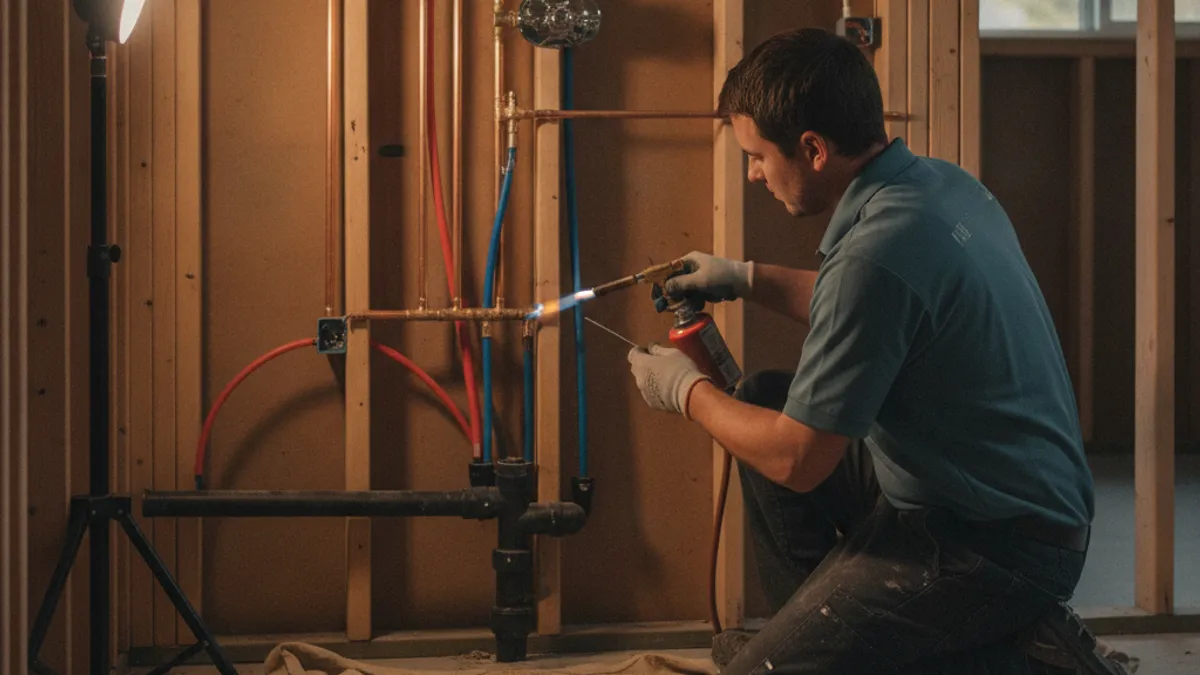
Plumbing that moves. Relocating a toilet, sink, or shower drain, adding a second sink, converting a tub to a curbless shower, or repiping galvanized supply lines to copper or PEX all need a plumbing permit. The inspector is checking slope, venting, and that the new fixture locations still drain correctly, which matters more in an older San Diego home where the original rough-in was never designed for a second sink or a larger shower pan.
Electrical that’s new. A new GFCI circuit, a relocated vanity light, an exhaust fan tied into a new switch, or in-floor heat wiring all need an electrical permit. Bathrooms are one of the few rooms where the electrical code is genuinely strict, because water and 120-volt circuits sharing six feet of floor space is exactly the situation GFCI protection exists for. The bathroom electrical scope covers what a typical rough-in adds to the permit.
Anything structural. Widening a doorway for accessibility, removing a wall to combine a bathroom with a closet, or reframing for a larger shower pan needs a building permit and, depending on the wall, a load calculation. This is the category homeowners underestimate most, because a wall that looks decorative is sometimes carrying roof load.
A like-for-like fixture swap, new tile on an existing substrate, a new vanity in the same footprint, and repainting generally don’t need a permit anywhere in San Diego County. The line is whether the work changes the plumbing, the electrical, or the structure, not whether the bathroom ends up looking different.
The inspection sequence
A permitted bathroom remodel in San Diego moves through inspections in order, and skipping ahead is the single most common cause of a delayed close.
Rough-in inspection comes first, before any wall gets closed up. The inspector looks at the plumbing supply and drain lines, the electrical rough wiring, and the shower waterproofing membrane if it’s visible at that stage. This is the inspection that catches a drain pitched the wrong way or a GFCI circuit wired to the wrong breaker, while it’s still cheap to fix.
A second rough inspection sometimes follows for shower pan testing, where the pan gets flooded and held for 24 hours to confirm it holds water before tile goes over it. Not every jurisdiction requires this as a separate visit, but every good contractor tests the pan whether or not an inspector shows up for it.
Final inspection happens after tile, fixtures, and trim are in. The inspector confirms the finished work matches what was approved, checks that GFCI outlets trip correctly, and closes the permit. A bathroom remodel isn’t legally finished, insurable, or disclosable at resale until this final sign-off happens, which is the part homeowners forget when a contractor suggests skipping the permit to save time.
What a permit actually costs and how long it adds
Permit fees, plan-review time, and any expedite option are set by the issuing department’s current schedule, not by Bath Pro SD. Read the fee table for the jurisdiction of the property, not a blog average. The larger cost of skipping a required permit is the later risk: unpermitted plumbing or electrical work can complicate a home sale, affect an insurance claim, and in some cases require the wall reopened so the work can be inspected after the fact.
Some City of San Diego scopes go through Simple Permits when they qualify. Others need full plan review. Coastal-zone homes in La Jolla, Point Loma, and Pacific Beach can add Coastal Commission review. Confirm that layer with the department before locking a start date. HOA architectural review, where it applies, is a separate calendar from the city or county permit.
Why an older San Diego home adds a step
A lot of San Diego’s housing stock, especially in neighborhoods built before the 1980s, has galvanized plumbing, ungrounded electrical, or a shower pan that predates modern waterproofing standards. Opening the wall on a permitted remodel exposes all of it, and the inspector will flag anything that doesn’t meet current code even if it wasn’t part of the original scope. This is normal, not a sign something went wrong with the plan. A contractor who’s worked older San Diego homes will price a rough-in contingency into the estimate up front instead of surprising you with it mid-project.
Coastal humidity is its own factor. Homes near the water in neighborhoods like Ocean Beach, Coronado, and Pacific Beach see more moisture cycling through wall cavities than inland homes do, which is part of why the shower pan flood test and the rough-in waterproofing check matter more here than they would in a drier climate. An inspector who’s covered the coastal zone for years will look closely at membrane detailing around the drain and the curb, because that’s where a marginal install fails first.
Working with a contractor who pulls the permit
The cleanest path is a contractor who pulls the permit under their own license and manages every inspection, rather than a homeowner-pulled owner-builder permit. An owner-builder permit puts the legal responsibility for code compliance on the homeowner, which is rarely worth the small savings unless you’re personally doing the trade work. When Bath Pro SD refers you, the independent remodeler named in your contract is the party who should pull required permits under that license and schedule inspections. Bath Pro SD does not pull permits, hold a contractor license, or manage the city’s calendar. Put permit responsibility in writing before work starts.
For homeowners in San Diego planning a remodel that touches plumbing, electrical, or a wall, the right first step is a walkthrough that scopes the work before a permit application ever gets filed. That’s also when a contractor can flag anything behind the wall, like old galvanized pipe or an ungrounded circuit, that’s likely to surface once the inspector is involved.
Frequently asked questions
Do I need a permit to replace a bathtub with a shower in San Diego?
Yes, in most cases. A tub-to-shower conversion moves the drain location and often changes the waterproofing method, both of which trigger a plumbing permit. If the new shower also needs a larger drain or a different trap configuration, that’s inspected at rough-in before the pan gets set.
Can I pull my own permit instead of having the contractor do it?
You can apply for an owner-builder permit in San Diego, but it makes you legally responsible for code compliance and inspection scheduling. Most homeowners are better served by a licensed contractor pulling the permit under their own license, since it keeps the liability and the inspection coordination with the person doing the work.
How long does the permit process take for a bathroom remodel?
For a standard bathroom remodel in the City of San Diego, ask Development Services for the current plan-review path for that scope. Some filings move through Simple Permits. Others wait on plan check and corrections. A structural change or coastal-zone review can add steps. Build the real department timeline into the contract instead of assuming work starts the week you sign.
What happens if I remodel without a permit?
Unpermitted plumbing or electrical work can come up during a home sale inspection, complicate an insurance claim if something fails later, and in some cases require the wall reopened so the work can be inspected after the fact. It also means the work was never checked by anyone qualified to catch a mistake, which matters most with anything involving water and electricity in the same room.
Does a simple vanity or fixture swap need a permit?
Generally no, if the plumbing and electrical stay in the same location. Replacing a toilet, faucet, or vanity in place, or installing new tile over an existing substrate, is typically treated as a repair rather than an alteration in most San Diego jurisdictions. The moment a drain, a supply line, or a circuit moves, that changes.
Is the permit process different in unincorporated San Diego County versus the city?
Yes. Homes inside San Diego city limits go through the Development Services Department. Homes in unincorporated areas like parts of Spring Valley, Lakeside, or Ramona go through the County’s Planning & Development Services office instead, and other incorporated cities like Carlsbad or Chula Vista run their own separate building divisions with their own fee schedules and review timelines.
Call (858) 400-4896 to talk through what your remodel will actually need permitted before you get a bid. A quick walkthrough scopes the plumbing, electrical, and structural pieces up front, so the permit application matches the real project instead of getting revised mid-process.